Cricket Strength and Conditioning: How to Get Fitter, Stronger and More Powerful

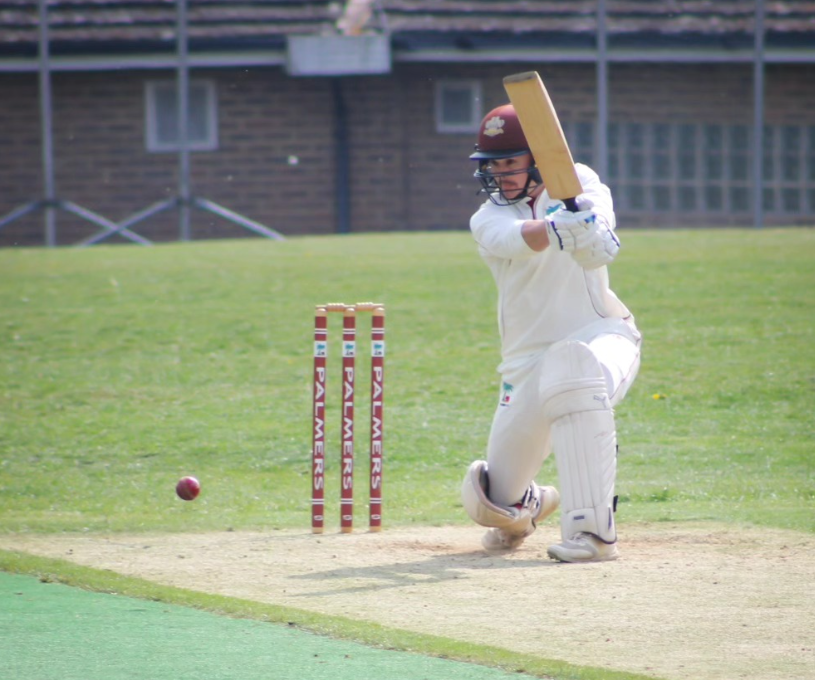
Modern cricket is an increasingly athletic game. Whether you’re batting, bowling, wicketkeeping or fielding, the ability to produce strength, speed and power repeatedly can have a major impact on performance.
That’s where cricket strength and conditioning comes in.
A good programme isn’t about spending endless hours in the gym or simply becoming stronger. It’s about developing the physical qualities that transfer to cricket — helping you hit harder, bowl faster, sprint between the wickets, move efficiently in the field and maintain your performance as fatigue builds.
Why is strength and conditioning important for cricket?
The two primary aims of strength and conditioning are straightforward: improve performance and reduce the risk of injury.
Cricket places very different demands on the body depending on your role. A batter needs rotational power and speed, a fast bowler needs to generate and transfer force rapidly, while a wicketkeeper requires mobility, lower-body strength, agility and endurance.
That means there is no single “best” cricket workout. Your training should reflect the demands of your position and the stage of the season.
Build the foundations: strength, speed and power
Strength is the foundation of athletic performance. It provides the force an athlete has available to produce, but strength alone isn’t enough.
Cricket also requires speed — the ability to move quickly between wickets, chase the ball or accelerate during a bowling run-up.
Then there’s power, which combines strength and speed to produce explosive movements. Power is crucial when striking the ball, bowling at pace, sprinting and jumping.
One of the key concepts here is Rate of Force Development (RFD): how quickly you can produce force. Because many cricket movements happen in fractions of a second, being able to express force rapidly is just as important as having strength in the first place. Plyometric and ballistic exercises can therefore play an important role in cricket conditioning.
Cricket is a rotational sport
One of the defining characteristics of cricket is rotation.
Batting and bowling both involve transferring force through the lower body, hips, torso and upper body. Developing this kinetic chain can help athletes transfer energy more efficiently.
For batters, that starts with a strong and stable base. From there, hip-shoulder separation creates rotational tension before the final movement through the arms, hands and wrists.
For fast bowlers, the process begins with the run-up. Momentum is generated before being transferred through the delivery stride. A strong, braced front leg can help rapidly decelerate the lower body, allowing the upper body to accelerate over it and contribute to ball speed.
The takeaway? Cricket-specific strength training should focus on how the body produces and transfers force, rather than simply training individual muscles.
“When you play, you realize that before entering international cricket, you should have knowledge of fitness and diet. We had no knowledge of these things before entering international cricket. Once you reach that level, you understand how important awareness, fitness, and diet are. If you know these things from the start, it makes everything much easier.”
Naseem Shah
Mobility matters too
Strength and power are only useful if you can move efficiently.
Mobility is particularly important for cricketers because the sport requires a combination of rotation, acceleration, deceleration, changes of direction and repeated athletic positions.
Wicketkeepers are a perfect example. A good keeping position requires sufficient ankle, hip and thoracic mobility, while lateral movement demands lower-body strength and the ability to change direction efficiently.
It’s also important to distinguish mobility from flexibility. Flexibility relates to muscle length, whereas mobility is the ability to access and control movement around a joint. For cricketers, the objective isn’t extreme flexibility; it’s having enough mobility and stability to perform effectively.
Don’t neglect cricket fitness and endurance
Despite the stop-start nature of cricket, cardiovascular fitness still matters.
Players may spend long periods on the pitch before suddenly needing to sprint, change direction, dive or produce an explosive effort. As a result, cricket conditioning needs to prepare the body for both sustained activity and repeated high-intensity efforts.
A well-rounded programme can include:
- Steady-state running to build an aerobic base
- High-intensity intervals
- Shuttle runs and changes of direction
- Sprint training
- Repeat-sprint sessions
Repeat-sprint ability is particularly valuable because it trains the ability to maintain speed and movement quality when fatigue starts to accumulate.
Train differently throughout the cricket season
Your cricket fitness programme shouldn’t remain identical all year.
Periodisation involves structuring training into different phases so that specific physical qualities are developed at the right time.
During the off-season, training can place greater emphasis on building strength and physical capacity.
As you move into pre-season, the focus can shift towards power and expressing that newly developed strength at greater speed.
During the season, the priority becomes maintaining strength and power while managing training volume alongside matches and cricket practice.
This approach also reflects the SAID principle — Specific Adaptation to Imposed Demands. Your body adapts to the demands you place upon it, so your training should evolve as your cricket requirements change.
Fuel your cricket performance
Strength and conditioning is only half the equation. Nutrition provides the fuel required to train, compete and recover.
Carbohydrates are an important energy source for cricketers and help maintain glycogen stores. The supplied guidance recommends around 2–5g of carbohydrate per kilogram of bodyweight per day, rising towards 4–7g/kg during more demanding training schedules.
Hydration is equally important, particularly during long matches or hot conditions. Fluid and electrolyte losses through sweat need to be replaced to support performance and recovery.
Finally, protein provides the building blocks required for muscle repair and adaptation. The source recommends approximately 1.6–2.0g per kilogram of bodyweight per day, distributed across meals.
The complete cricket fitness picture
The best cricket strength and conditioning programmes don’t chase fitness for fitness’s sake. They develop the qualities that matter on the pitch.
That means combining strength, power, speed, mobility, endurance and repeat-sprint ability, while adjusting training according to your role and the time of year.
Whether you’re trying to bowl faster, hit the ball further, improve your fielding or simply stay fit throughout a long season, smarter physical preparation can help you get more from your cricket.
The goal isn’t just to become a better athlete in the gym.
It’s to become a stronger, faster and more resilient cricketer when it matters most.